
Madurai Meenakshi Amman, the presiding deity of the Meenakshi Temple in Madurai, is a revered and iconic figure in Indian mythology and history. While her divine aura is well-known, there exist several lesser-known, fascinating facets of her legend, history, and her grand wedding with Lord Sundareswarar.
In this blog post, we embark on a journey to uncover the unknown facts and captivating tales surrounding Madurai Meenakshi Amman.
Goddess Meenakshi of Madurai:
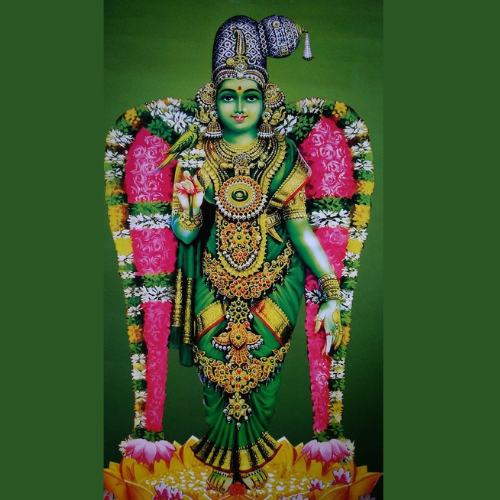
The Divine Queen
Her Birth: Meenakshi Amman, originally named Tadaatagai, was born to King Malayadwaja Pandya and Queen Kanchanamala. Her birth is believed to be a divine event, as she emerged from a sacred fire.
The Third Breast: According to legend, Meenakshi was born with three breasts. It was foretold that the third breast would disappear when she met her future husband, Lord Sundareswarar.
Education and Warrior Skills: Meenakshi wasn’t just a beautiful princess but also a formidable warrior. She received rigorous training in martial arts and combat, making her a fierce warrior queen.
The Grand Wedding of Meenakshi and Sundareswarar
The Divine Love Story: Meenakshi’s destiny was intertwined with Lord Sundareswarar (an incarnation of Lord Shiva). Their love story is one of the most cherished in Hindu mythology, and their wedding is a central element of Meenakshi Temple’s significance.
The Celestial Wedding: The grand wedding of Meenakshi and Sundareswarar is celebrated annually in Madurai with the Chithirai Thiruvizha festival. It reenacts the celestial wedding with immense pomp and grandeur.
Meenakshi Temple: A Marvel of Architecture
Gopurams and Pillars: The Meenakshi Temple is renowned for its towering gopurams (gateways) adorned with intricate sculptures, and its thousand-pillared hall, each with its unique story to tell.
A Living Art Gallery: The temple is an architectural masterpiece, with sculptures and carvings that narrate various episodes from Hindu mythology and showcase the rich artistic heritage of South India.
Lesser-Known Aspects
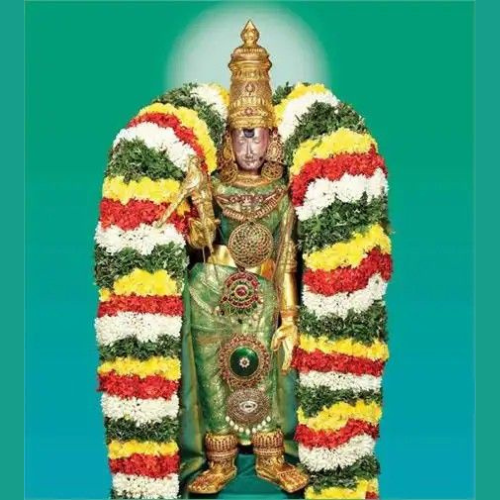
Alagar Kovil: Meenakshi Amman’s brother, Alagar (Lord Vishnu), is believed to visit Madurai during the Chithirai festival. The Alagar Koyil temple holds a significant place in this festival.
Restoration by Nayak Dynasty: The temple complex, as we see it today, was largely constructed during the Nayak dynasty’s reign in the 16th and 17th centuries, who were ardent devotees of Meenakshi.
A Temple with Four Entrances: Meenakshi Amman Temple has four entrances, symbolizing the four cardinal directions, welcoming devotees from all corners of the world.
Certainly, let’s continue exploring more about Madurai Meenakshi Amman:
Devotion and Pilgrimage:
Millions of Devotees: Madurai Meenakshi Amman Temple is not just a place of worship; it’s a spiritual hub that draws millions of devotees from across the globe. The sheer devotion and fervor of the pilgrims create an atmosphere of divine energy.
Symbol of Feminine Power: Meenakshi Amman represents the divine feminine power, known as Shakti. Her name itself means “Fish-Eyed Goddess,” symbolizing watchfulness and protection.
Spiritual Significance:
Abode of Healing: Devotees believe that seeking the blessings of Meenakshi Amman can bring healing and relief from various ailments and troubles. The temple’s sanctum sanctorum exudes a sense of tranquility and spiritual solace.
Navaratri Celebrations: The Navaratri festival celebrated in honor of Meenakshi Amman is a grand affair. It lasts for nine nights and includes various rituals and cultural performances. The culmination, Vijayadashami, is a time for special prayers and festivities.
Influence on Art and Literature:
Tamil Literature: Meenakshi’s legend has found its place in Tamil literature for centuries. Her story has been immortalized in epic poems and songs that celebrate her courage and beauty.
Bharatanatyam: The classical Indian dance form, Bharatanatyam, often depicts episodes from Meenakshi’s life. Her grace and valor serve as an inspiration to dancers and artists.
Endowment and Charity:
Community Initiatives: The Meenakshi Temple is not just a place of worship but also a center for community service. It actively participates in charitable activities, including education, healthcare, and supporting the underprivileged.
Modern Significance:
Global Recognition: In recent years, the Meenakshi Temple has gained global recognition as an architectural marvel and a symbol of India’s rich cultural heritage. It attracts tourists, scholars, and artists from around the world.
Digital Outreach: In the digital age, the temple has embraced technology for outreach and worship. Devotees can now participate in virtual darshans (sacred viewings) and receive blessings from afar.
Conclusion
Madurai Meenakshi Amman’s legacy is not confined to the pages of ancient texts or the walls of her temple. it lives on in the hearts of those who revere her. Her story, teachings, and the Meenakshi Temple continue to be a source of inspiration, spirituality, and cultural pride. Whether you’re a devout pilgrim or an inquisitive traveler, the mystique of Madurai Meenakshi Amman promises an unforgettable journey of discovery and devotion.
 YOGA's Blog
Leave a comment