How do these companies utilize biotechnology to discover and produce new drugs?
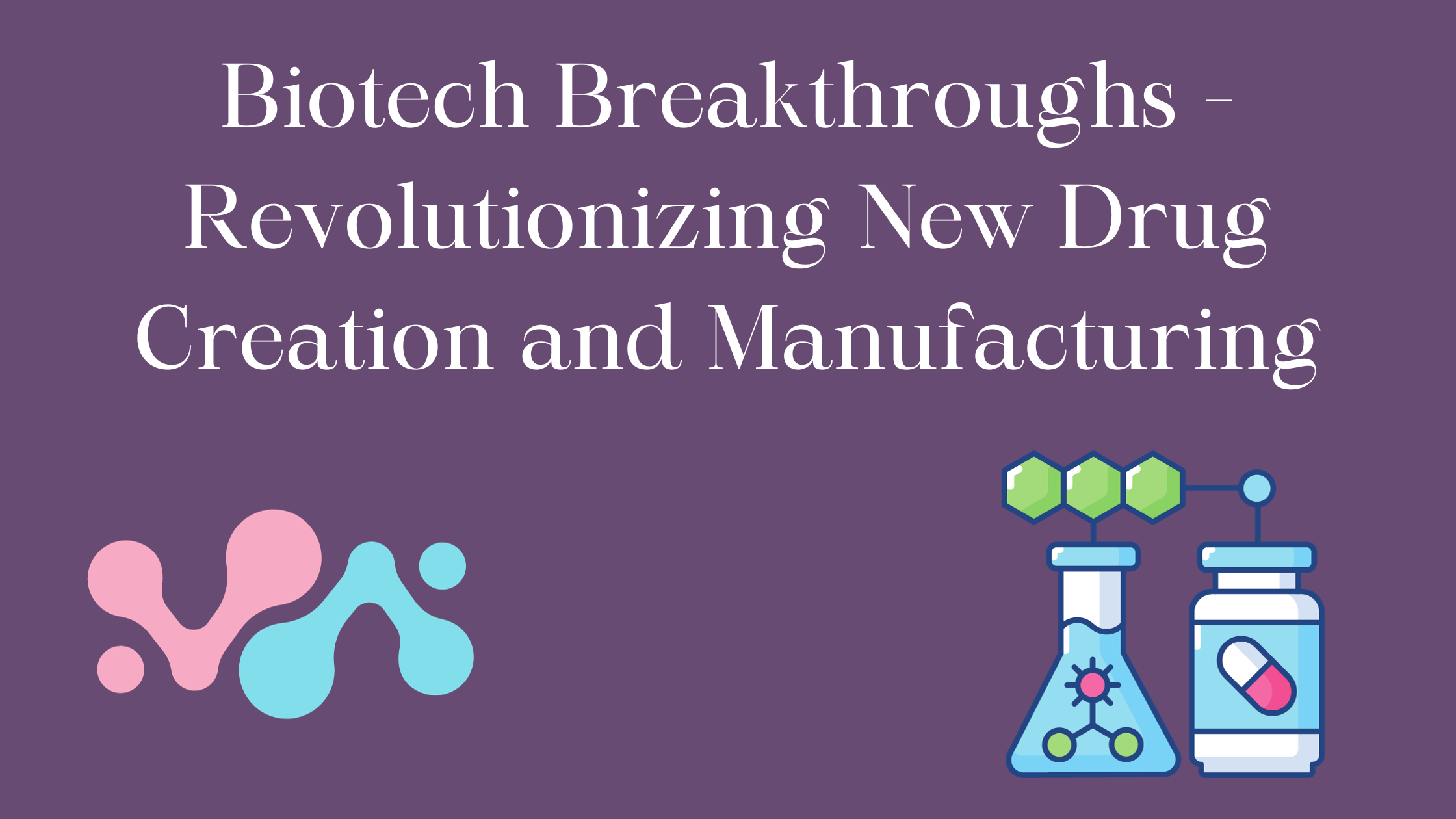
Biotechnology plays a crucial role in the discovery and production of new drugs for pharmaceutical and biopharmaceutical companies. These companies leverage various biotechnological techniques and tools to identify, develop, and manufacture novel therapeutic agents.
Here’s an overview of how they utilize biotechnology for these purposes:
Target Identification and Validation
- Genomics and Proteomics: Biotech companies use techniques like DNA sequencing and mass spectrometry to identify potential drug targets, such as specific genes, proteins, or enzymes associated with diseases.
Drug Discovery
- High-Throughput Screening (HTS): Biotech firms employ automated HTS assays to rapidly test thousands of compounds for their potential to interact with the chosen drug targets.
- Computational Biology: Computational modeling and bioinformatics help in the virtual screening of compounds and predicting their binding affinity with the target molecules.
Drug Development
- Genetic Engineering: Biotechnology allows the creation of genetically modified organisms (GMOs) like bacteria, yeast, or mammalian cells to produce therapeutic proteins, antibodies, or vaccines.
- Recombinant DNA Technology: It is used to produce biopharmaceuticals by inserting genes encoding therapeutic proteins into host cells.
Clinical Trials
- Biomarker Discovery: Biotech companies identify and validate biomarkers that can be used to assess drug efficacy and patient responses during clinical trials.
- Pharmacogenomics: Personalized medicine approaches based on an individual’s genetic makeup can optimize drug dosing and selection.
Manufacturing
- Bioprocessing: Biotech firms utilize bioreactors and fermentation processes to scale up the production of biologics (e.g., monoclonal antibodies, vaccines) using genetically engineered cells.
- Cell Culture Technologies: Mammalian cell cultures are used for the production of complex proteins and biopharmaceuticals.
Quality Control
- Biological Assays: Biotechnology is essential for developing assays that ensure the quality, purity, and potency of drugs, particularly biologics.
Data Analysis
- Bioinformatics: Data analysis tools and algorithms are used to manage and analyze large datasets generated during drug discovery, genomics, and clinical trials.
Regulatory Compliance
- Validation and Documentation: Biotech companies must adhere to strict regulatory standards, including Good Manufacturing Practices (GMP) and Good Laboratory Practices (GLP), to ensure the safety and efficacy of their drugs.
Biomanufacturing Innovations
- Continuous bioprocessing, single-use bioreactors, and other innovations in biomanufacturing techniques help improve efficiency and reduce production costs.
- Drug Delivery Systems:
- Biotechnology is used to develop advanced drug delivery systems, such as nanoparticles, liposomes, and gene therapies, to enhance drug effectiveness and reduce side effects.
- Diagnostics:
- Biotech companies may also develop companion diagnostics to identify patients who are most likely to benefit from a particular drug, enabling personalized treatment plans.
Biotechnology is integrated throughout the drug discovery and development process, from target identification and validation to manufacturing and quality control. It enables the creation of novel therapies, optimization of drug development pipelines, and the potential for personalized medicine approaches. Biotech companies continue to drive innovation in the pharmaceutical industry, leading to the discovery of new drugs and therapies for a wide range of diseases and conditions.
 YOGA's Blog
Leave a comment