What is biotechnology and its significance in various industries? How does biotechnology contribute to advancements in healthcare, agriculture, and environmental sustainability?
Biotechnology is a broad field that involves the use of living organisms, or their systems and processes, to develop and create products, technologies, or solutions that address various challenges and needs in different industries.
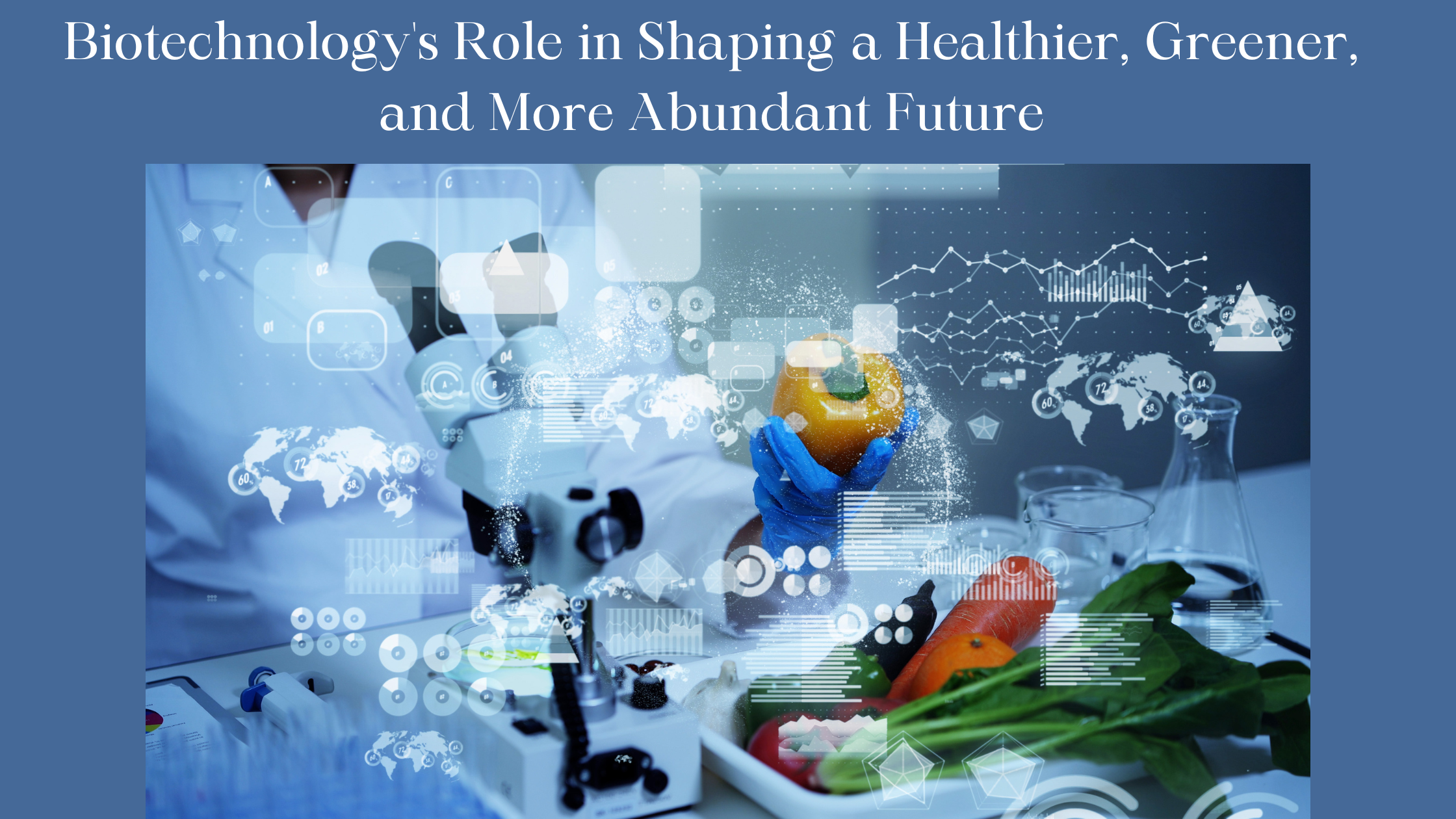
It encompasses a wide range of techniques and methodologies, including genetic engineering, molecular biology, microbiology, and more. Biotechnology has significant importance in various industries, including healthcare, agriculture, and environmental sustainability, due to its potential to bring about innovation, improve efficiency, and address pressing global issues.
Here’s a breakdown of how biotechnology contributes to advancements in these three key areas:
Healthcare
- Medical Biotechnology: Biotechnology plays a crucial role in the development of new medicines, vaccines, and therapies. For example, it has enabled the creation of genetically engineered insulin for diabetes treatment and the production of monoclonal antibodies used in cancer therapy. The field of genomics, which studies the entire genetic makeup of organisms, has advanced personalized medicine, allowing for tailored treatments based on an individual’s genetic profile.
- Diagnostics: Biotechnology has led to the development of advanced diagnostic tools, such as DNA sequencing and PCR (polymerase chain reaction), which are used for disease detection, monitoring, and risk assessment.
- Regenerative Medicine: Stem cell technology, a subset of biotechnology, holds promise for regenerating damaged tissues and organs, potentially revolutionizing organ transplantation and tissue repair.
- Biopharmaceuticals: Biotechnology is used to produce biopharmaceuticals like monoclonal antibodies, vaccines, and recombinant proteins, which have revolutionized disease treatment and prevention.
Agriculture
- Genetically Modified Organisms (GMOs): Biotechnology has enabled the development of GMO crops with traits like resistance to pests, drought tolerance, and improved nutritional content. These crops can increase agricultural productivity and reduce the need for chemical pesticides and fertilizers.
- Precision Agriculture: Biotechnology tools, including DNA markers and gene editing techniques like CRISPR-Cas9, are used in precision agriculture to optimize crop breeding, increase crop yields, and develop crops with desirable traits.
- Sustainable Agriculture: Biotechnology can contribute to sustainable agriculture by reducing soil degradation, conserving water resources, and enhancing the overall environmental footprint of farming practices.
Environmental Sustainability
- Bioremediation: Biotechnology can be used to clean up contaminated environments by employing microorganisms to break down and remove pollutants from soil and water.
- Biofuels: Biotechnology plays a role in the production of biofuels such as ethanol and biodiesel, which offer greener alternatives to fossil fuels.
- Waste Management: Microorganisms and biotechnological processes are used to treat organic waste, sewage, and industrial effluents, reducing their environmental impact.
- Conservation: Biotechnology contributes to conservation efforts by helping preserve endangered species through techniques like in vitro fertilization and cloning.
Biotechnology has far-reaching implications in healthcare, agriculture, and environmental sustainability by offering innovative solutions to pressing challenges. It has the potential to improve human health, increase food production, and mitigate environmental issues, making it a critical field for addressing the complex problems facing our world today.

 YOGA's Blog
Leave a comment